Getting Back Our Ancestors -- March 28th @ 7PM
@ Aurora Chapel, located at 800 Aurora Street, Houston, TX 77009
Admission - FREE
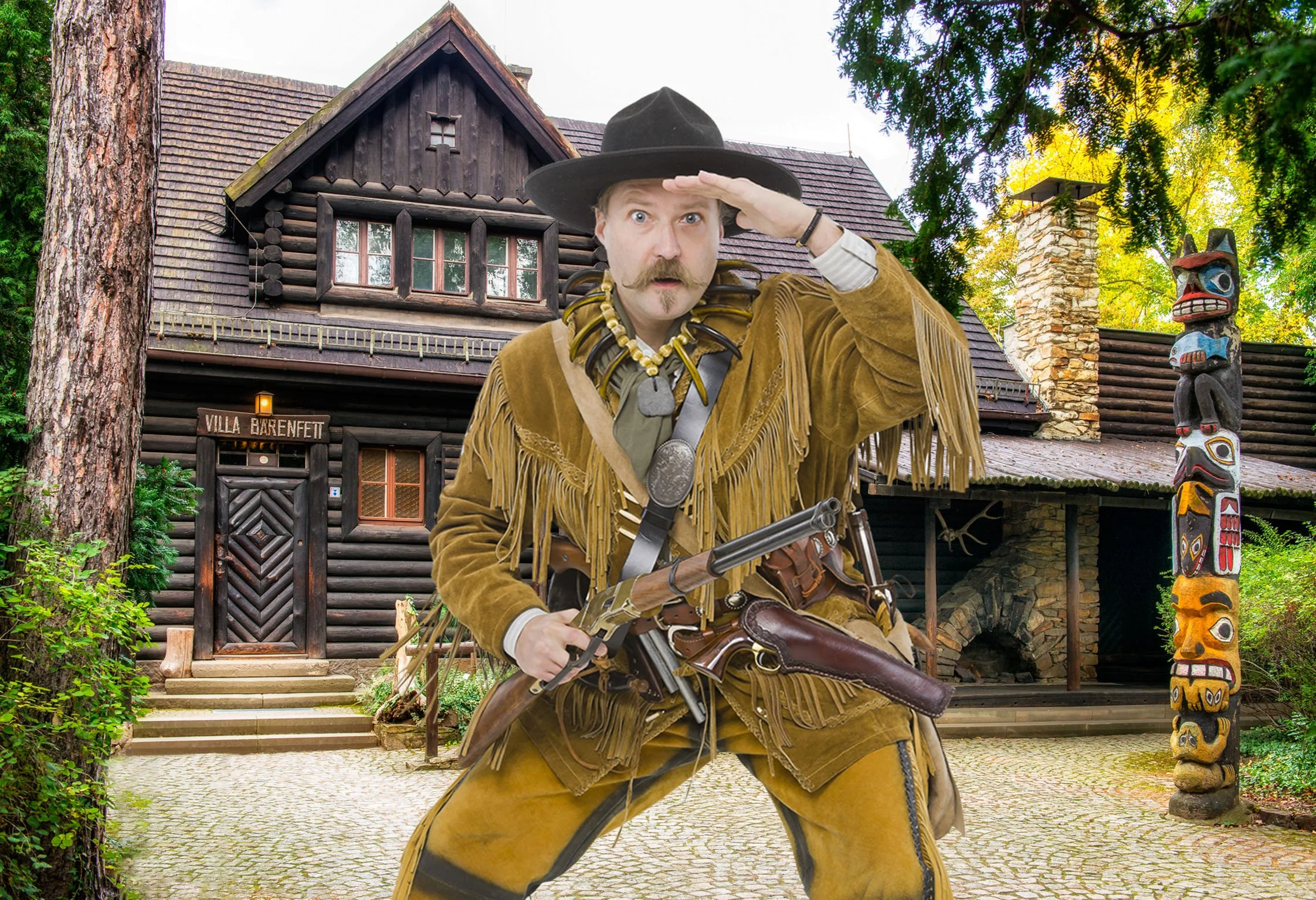
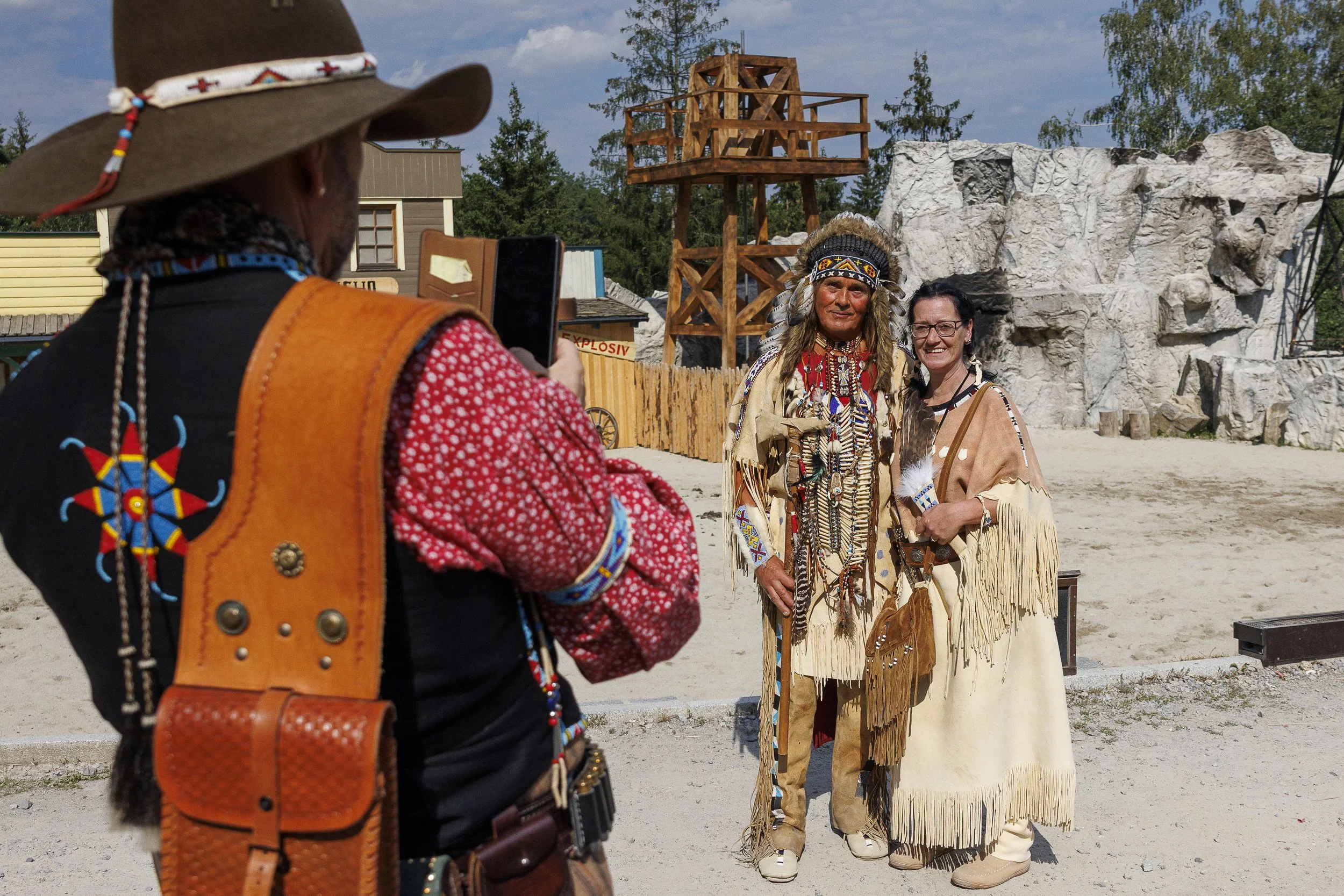
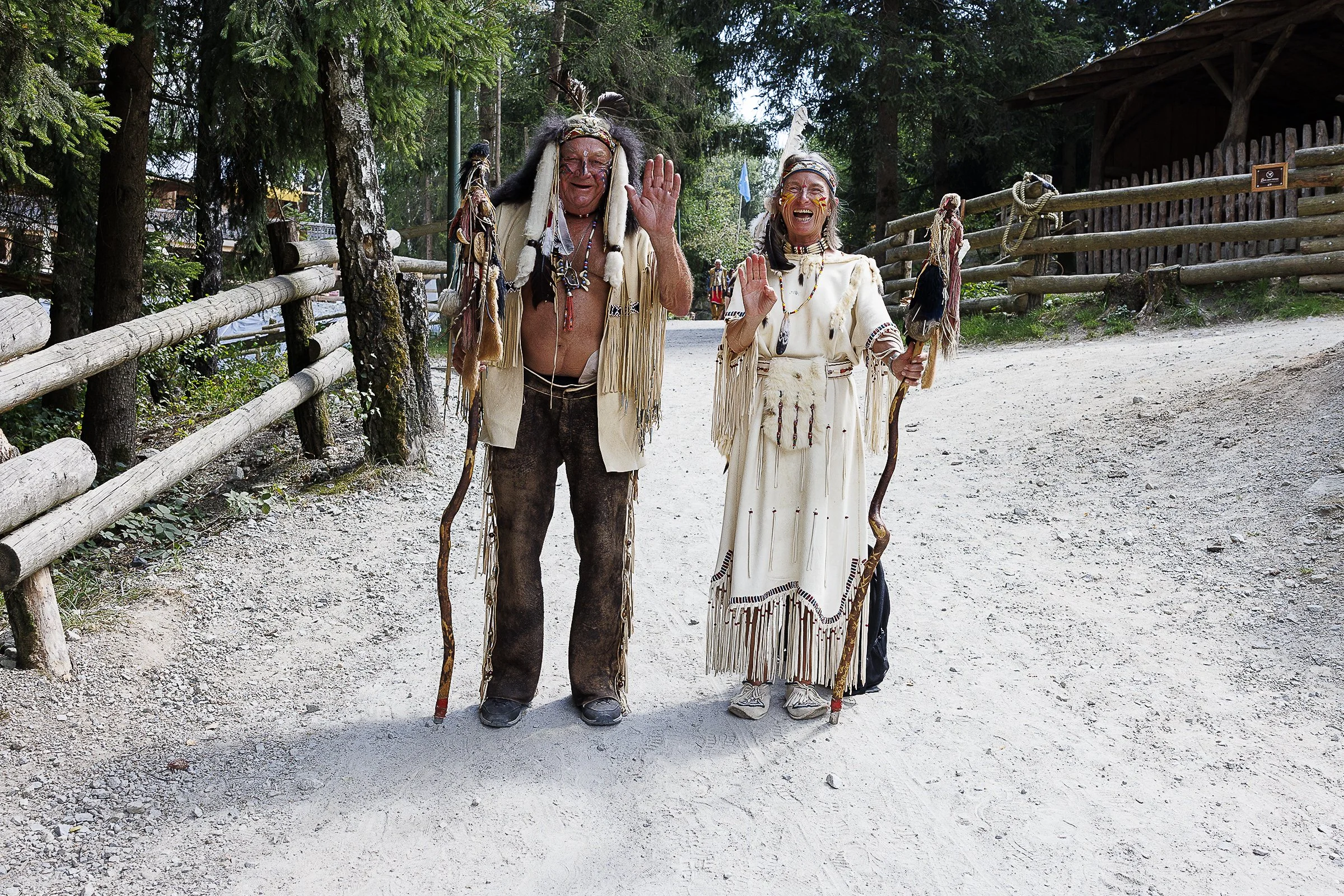
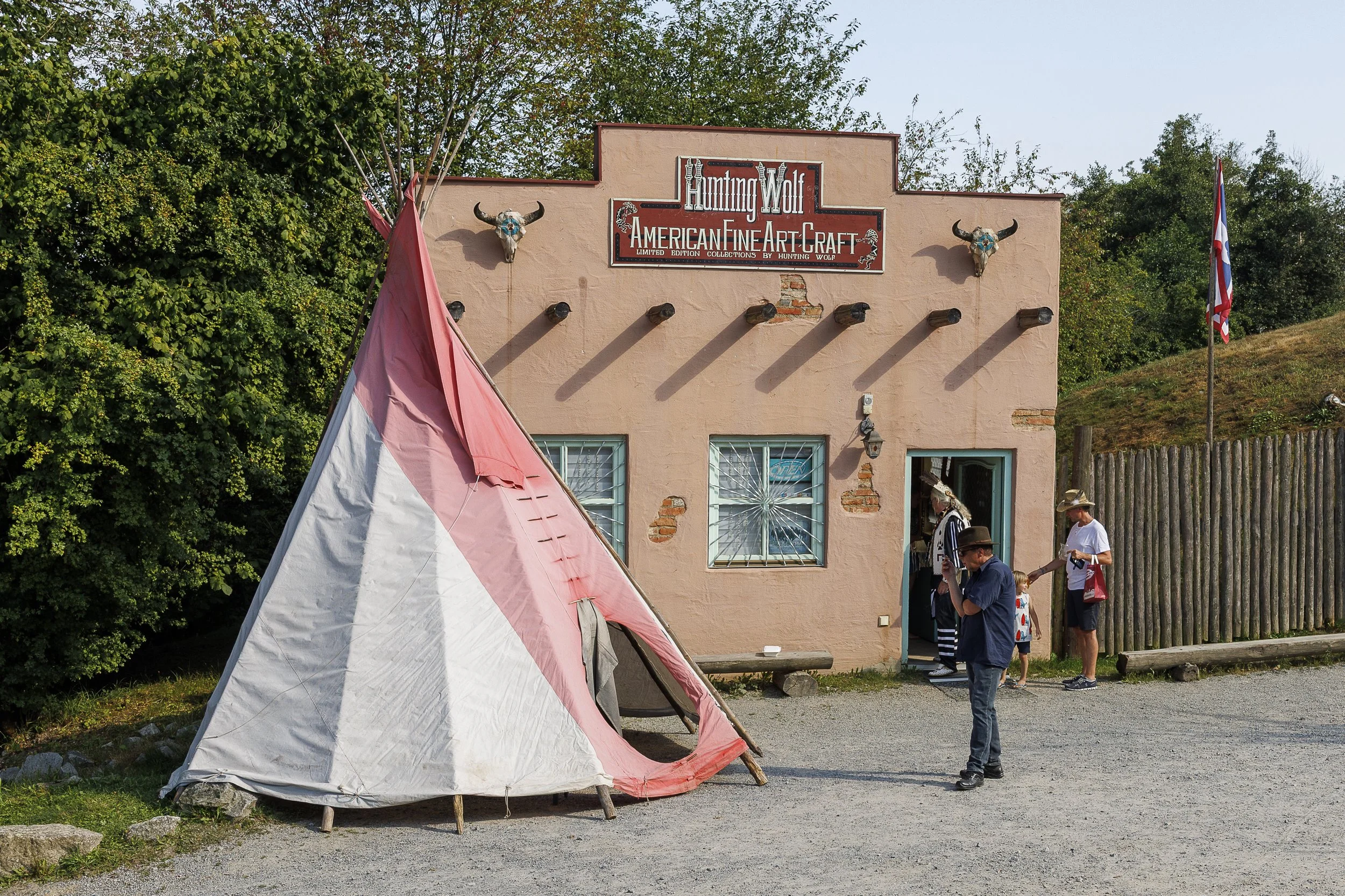
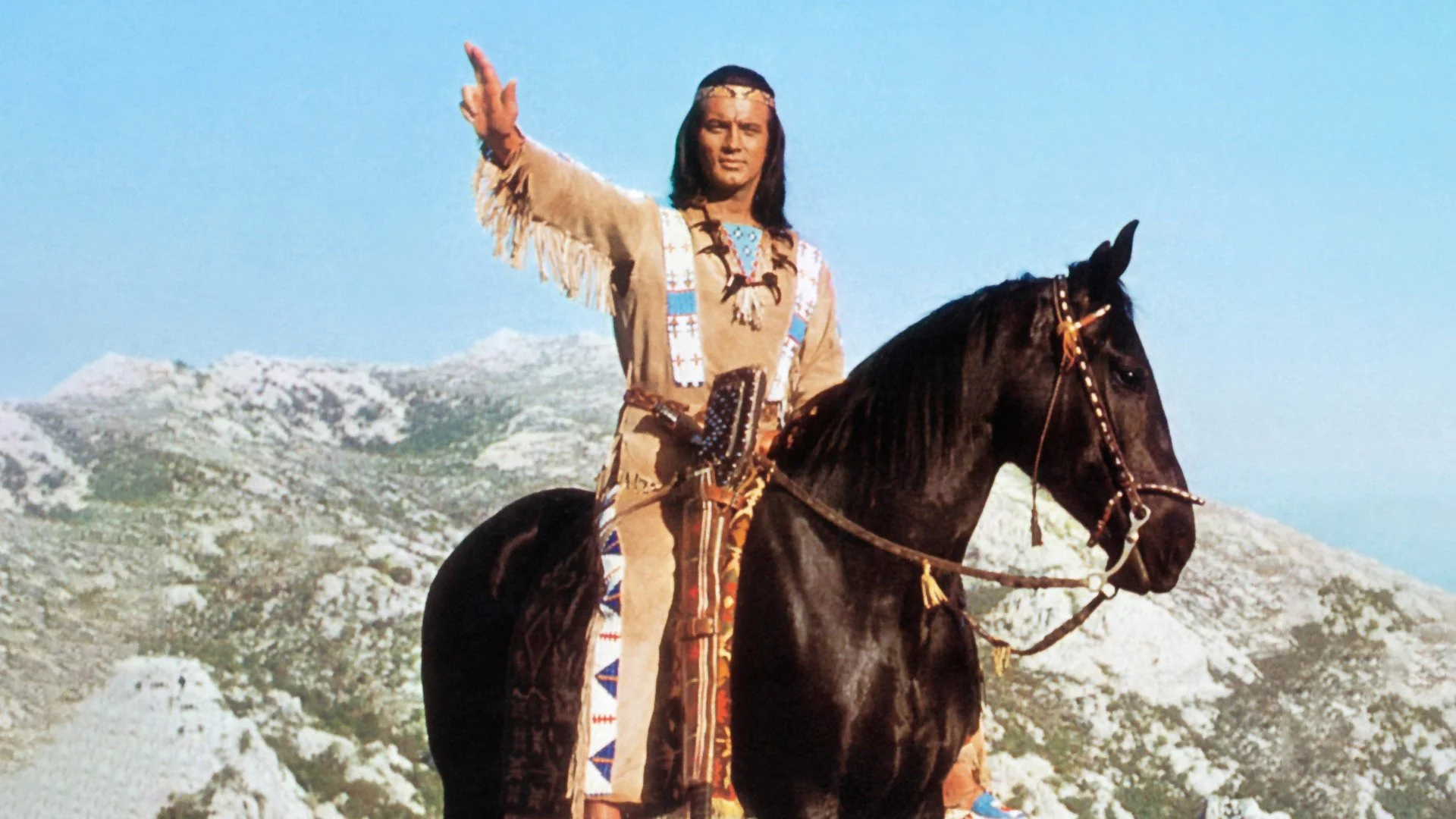
Blending photography, documentary footage, and investigative storytelling, Cressandra Thibodeaux delivers a TED-style presentation tracing her tribe’s decade-long struggle to repatriate the ancestors held in Germany’s Karl May Museum. Few countries have been as captivated by Native American culture as Germany. For more than a century, hobby clubs, open-air theater festivals, fairs, and elaborate costumes have fueled a thriving subculture of so-called “Indian enthusiasts.” This fascination draws on a romanticized vision of a pre-industrial past and the imagery of classic Western films. At its center stands the 19th-century German writer Karl May, whose fictional Apache hero Winnetou shaped generations of German imagination—and helped create one of Europe’s most enduring myths about Native America. But beneath this fascination lies a complicated question: Where is the line between cultural appreciation and cultural appropriation? Thibodeaux explores these themes while interviewing German museum curators, NAGPRA specialists, tribal attorneys and German Indian hobbyists about Germany’s policies on returning Native human remains to their Native communities.
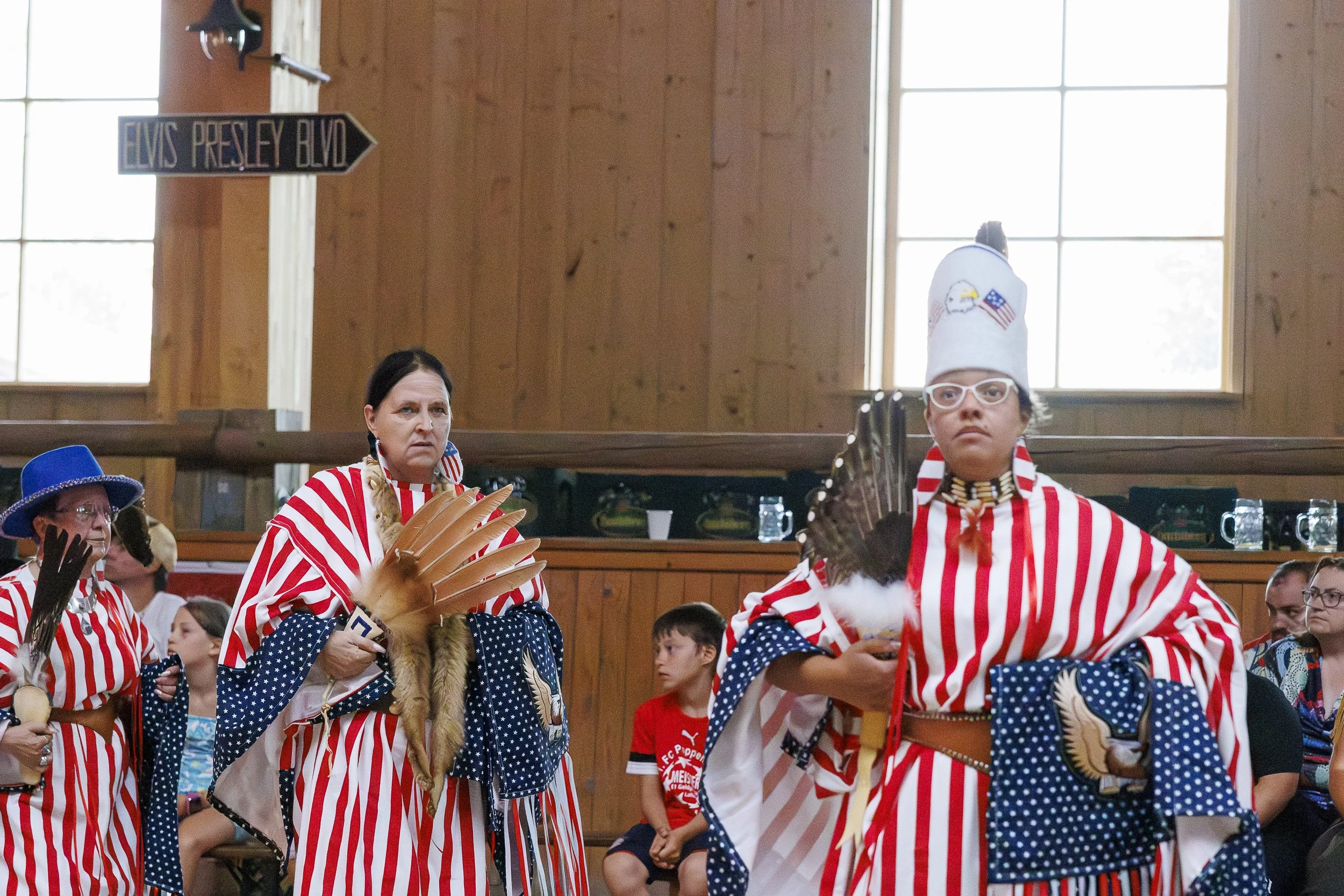
Where is the line between cultural appreciation and cultural appropriation?
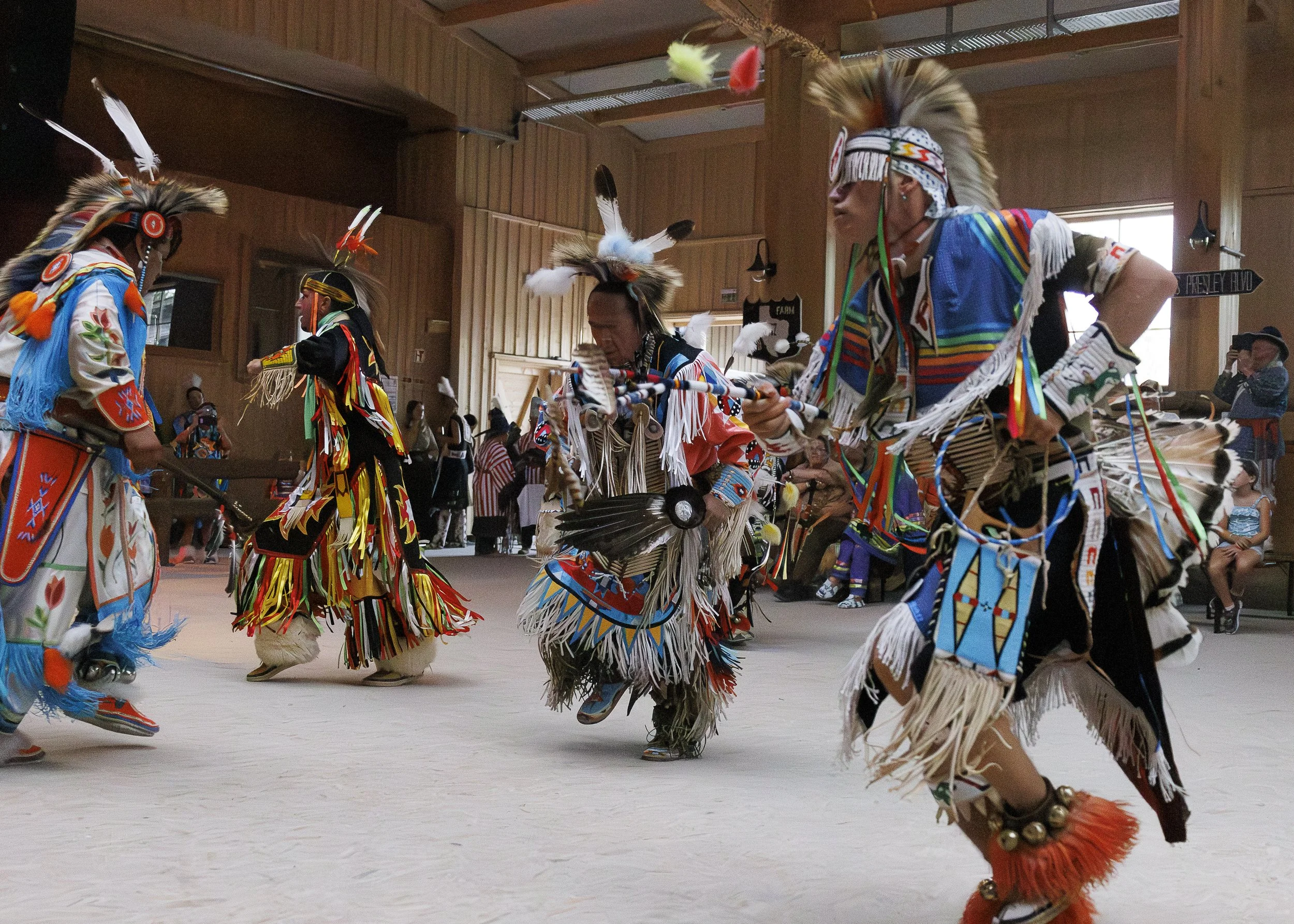
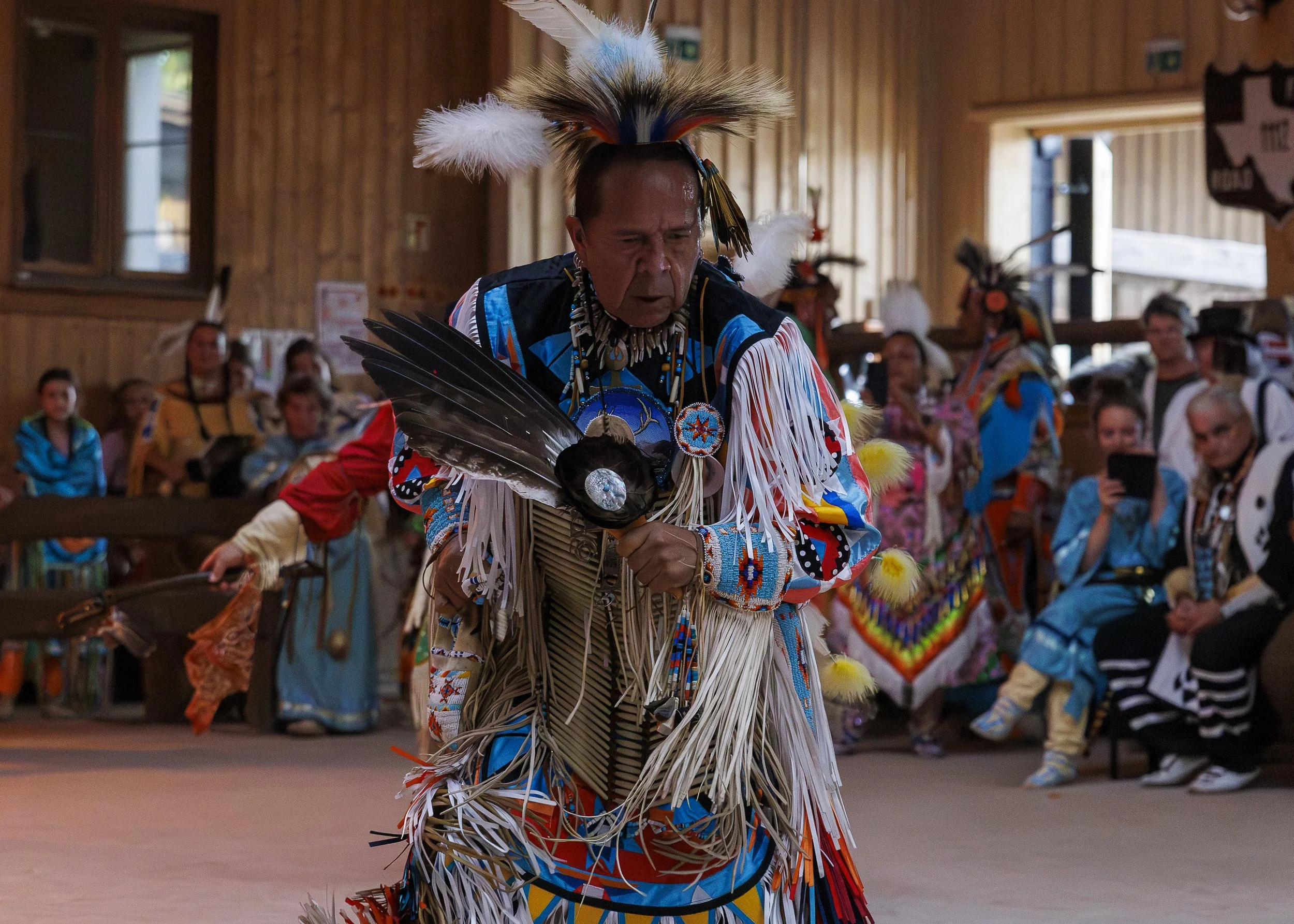
Through years of research and travel across Germany, Thibodeaux conducted interviews with more than 25 museum curators, scholars, tribal leaders, and German Indian hobbyists while photographing and filming inside the spaces where Native identity is imagined, celebrated, and contested.
Her journey took her to:
The Karl May Museum in Radebeul, Germany
The legendary Winnetou Festival, where thousands gather each summer to watch theatrical reenactments of Native stories
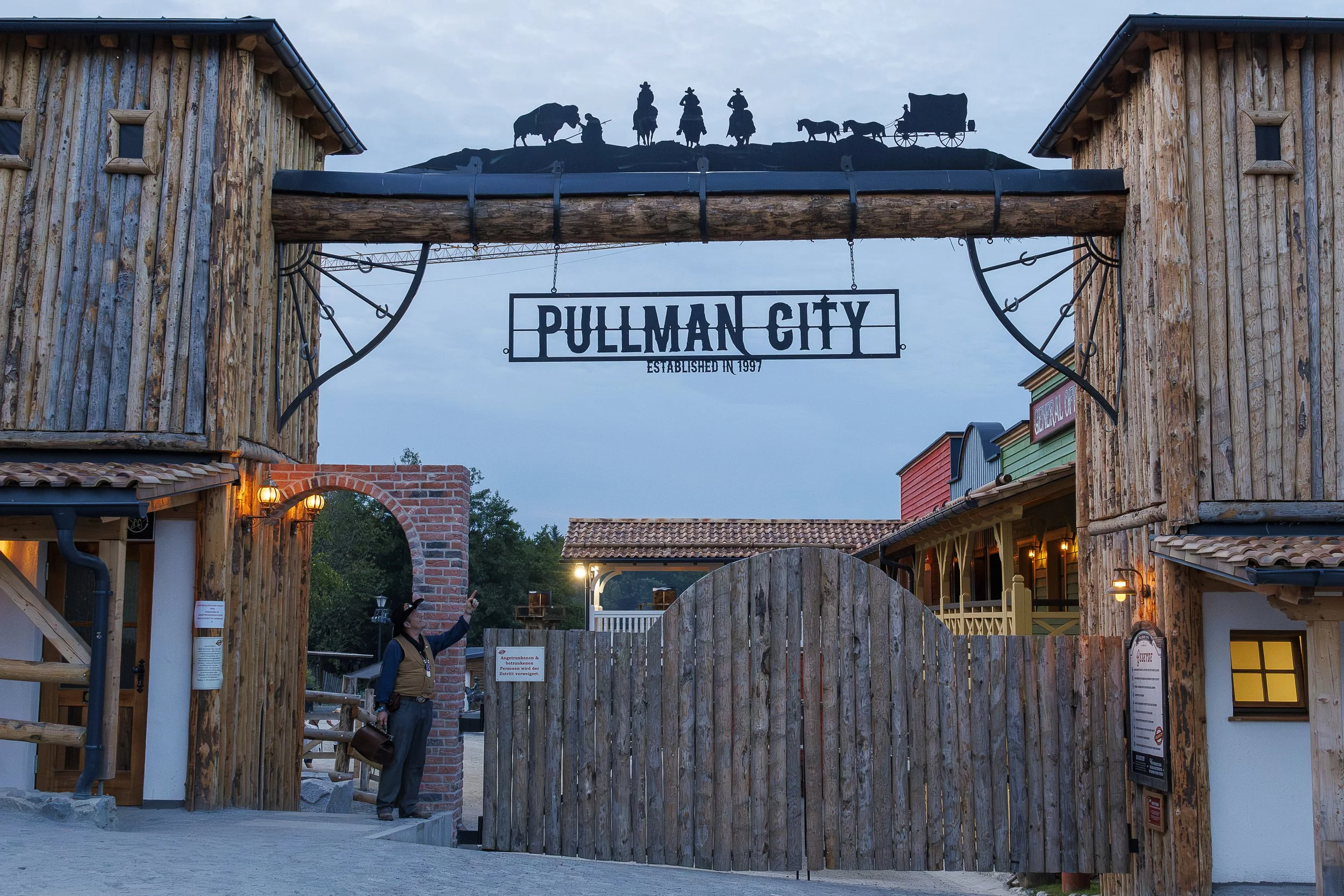
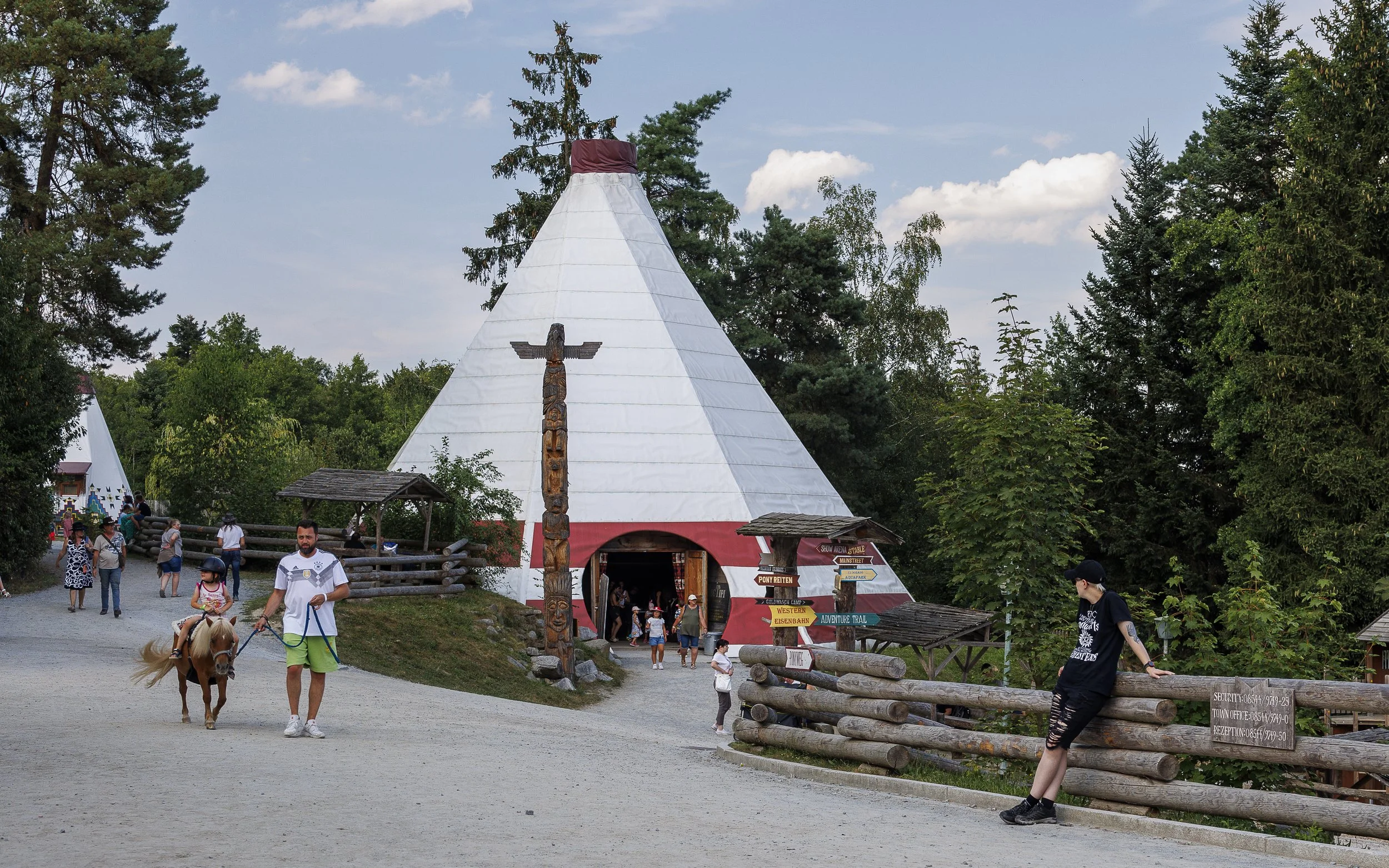
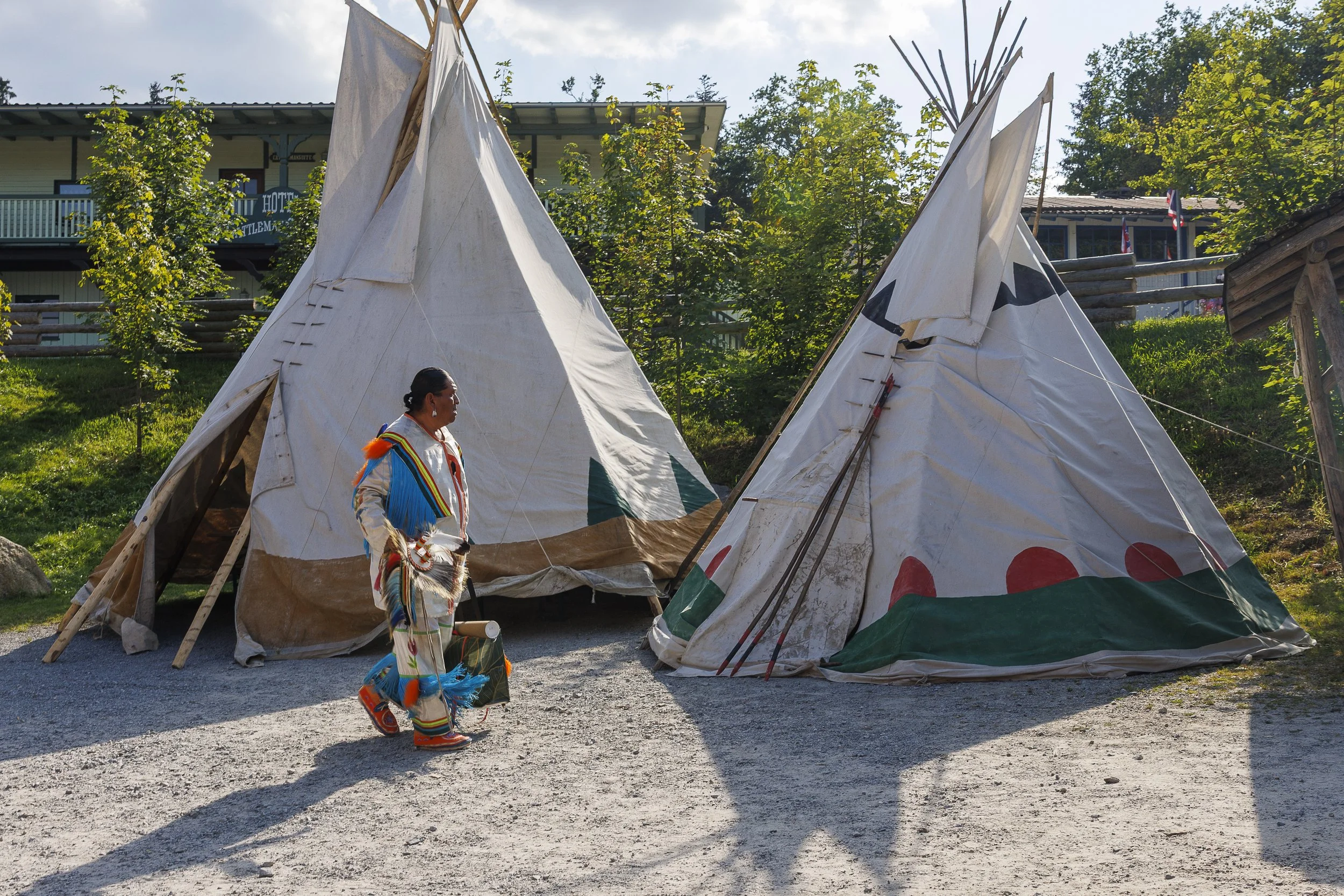
The German Powwow at Pullman City’s Indian Week, one of Europe’s largest gatherings devoted to Native American culture
Alongside these scenes, Thibodeaux documents the emotional and political battle by the Sault Ste. Marie Tribe of Chippewa Indians to reclaim sacred ancestral remains that had traveled from a Michigan grave site to a German museum collection.
The result is a visually stunning and deeply personal exploration of repatriation, historical memory, and global Indigenous identity.
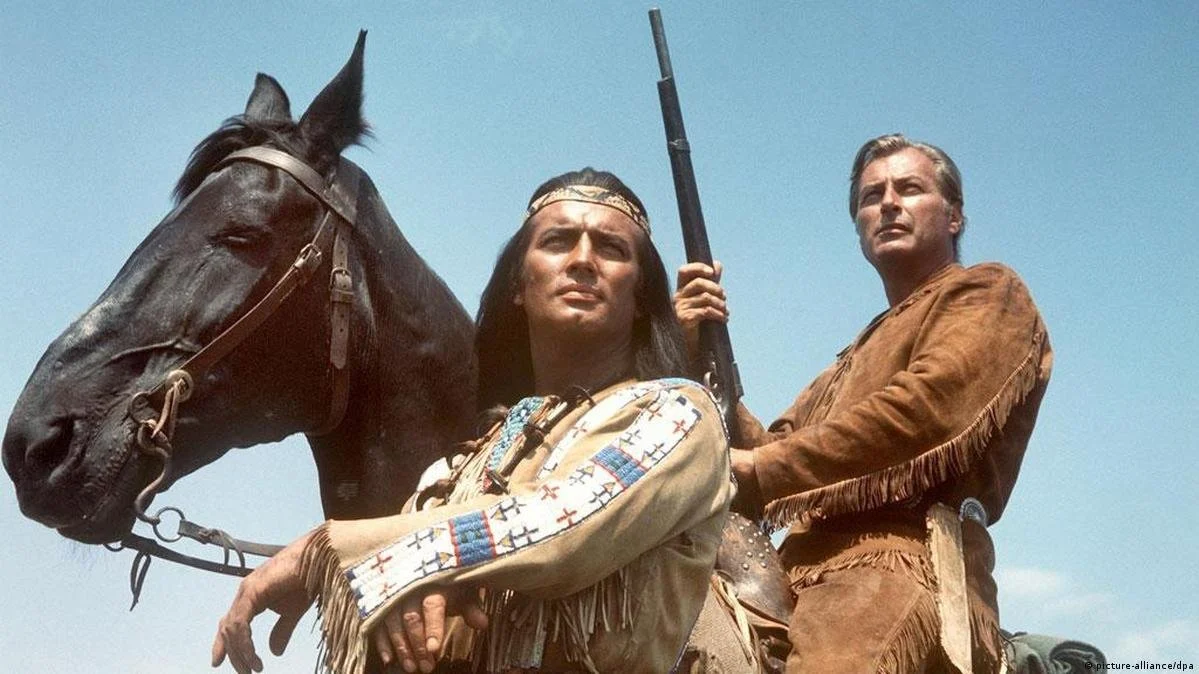
“People are often shocked to learn that my tribe’s scalps were in Germany,” says Thibodeaux. “But the deeper story is about how cultures imagine each other—and what happens when those imaginations collide with real history.”
Thibodeaux is an award-winning filmmaker, photographer and storyteller whose work explores identity, history, and Native sovereignty. She holds MFAs from Columbia University and the Institute of American Indian Arts, and presently her work is at the Detroit Institute of Arts and last month she received the Gentling Fellowship at the Amon Carter Museum. s. Her documentary films have won multiple awards and her photography has been widely shown across the United States.
“Getting Back Our Ancestors” offers audiences a rare and thought-provoking look at the intersection of Indigenous rights, museum ethics, and global cultural fascination with Native America, told through the voice of a tribal member reclaiming her ancestors’ story.
This cultural event, “Getting Back Our Ancestors,” 14 Pews and Cressandra Thibodeaux is funded in part by the City of Houston through Houston Arts Alliance.